


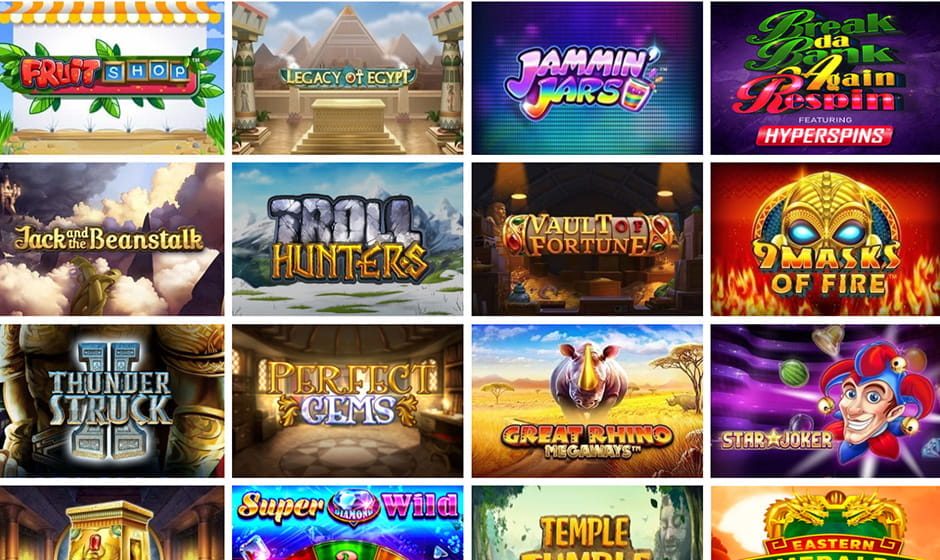
When I first walked into an online casino lobby, I chose the shiniest thumbnail without considering who built the game. That changed once I realised the developer’s name in the corner indicates more about what to expect than the theme or jackpot amount ever could. Casino game providers are the studios that develop and program and mathematically certify every slot, table game, and live dealer stream. They determine volatility, return-to-player percentage, bonus mechanics, and mobile performance. Knowing who these providers are and how they differ changes you from someone who wishes for a good session into someone who selects games with intention. At Vegas Hero Casino, the lobby is built around a curated mix of these studios, and understanding what each one brings to the table is the fastest way to find games that actually suit your style.
What a game provider really does behind the curtain
People frequently envision a single programmer typing away, vegasherocasino apk download, but a current casino studio functions like a film production house. Mathematicians build random number generator models and payout tables; graphic designers create symbols and animations; sound engineers create audio layers; compliance specialists ensure the maths passes independent lab audits. A game producer oversees the project timeline, UI/UX designers map player flow, and QA testers run thousands of automated spins to catch crashes. The provider also decides fundamental architecture: how many reels and paylines exist, if the game uses Megaways or cluster-pays, and what the maximum win limit will be. These choices are not cosmetic. They directly shape how often you win, how substantial those wins tend to be, and how long your bankroll lasts on a given stake size.
Beyond the game itself, the provider manages the server infrastructure that delivers outcomes securely. Every spin result is determined by a certified random number generator on protected servers, not within your browser. The studio also develops back-office tools that operators like Vegas Hero Casino use to monitor performance, enforce responsible gambling limits, and ensure identical behaviour across desktop and mobile. The RTP figure you see derives from the provider’s simulation of billions of spins, confirmed by external auditors like eCOGRA or iTech Labs. This certification process requires submitting the game’s source code and mathematical model to the lab, which performs statistical tests to confirm the outcomes are random and the advertised RTP is accurate within a tiny margin. In brief, the provider is the architect of everything that makes a casino game fair, entertaining, and reliable.
Mobile performance and why the provider’s tech stack affects your experience
I used to assume that if a game ran on my phone, the provider had fulfilled their role. That assumption collapsed the first time I tested a slot that appeared sharp on desktop but compressed its buttons to almost unusable sizes on a mobile screen, or a live stream that lagged every time I changed from Wi-Fi to mobile data. The provider’s core technology stack (whether they develop in HTML5, how they handle asset compression, and whether they build mobile-first or desktop-first) strongly shapes your regular experience. All modern providers use HTML5, which means games function directly in the browser without demanding a download or a Flash plugin, but deployment quality differs enormously.
Pragmatic Play and Play’n GO are commonly seen as mobile-first developers. Their interfaces are built for portrait-mode play with thumb-friendly spin buttons and obvious bet adjustment controls. NetEnt’s newer releases embrace the same philosophy, though some older catalogue titles still show letterboxed on larger phone screens. Evolution built its live casino platform with adaptive bitrate streaming, meaning video quality automatically adjusts to your connection speed rather than buffering or cutting out entirely. At Vegas Hero Casino, the entire provider portfolio is reachable through the mobile browser without a dedicated app, and the lobby itself responds responsively. The practical takeaway is that if a specific provider’s games always feel awkward on your device, the issue is likely the studio’s design priorities, not your phone. Switching to a mobile-optimised provider within the same game category often resolves the frustration instantly.
How to recognize the difference between the big-name studios
If you dedicate ten minutes scrolling through the Vegas Hero Casino lobby, you will notice certain names emerge again and again. NetEnt, Microgaming, Play’n GO, Pragmatic Play, and Evolution are not just logos; each represents a different design philosophy. Recognizing their stylistic fingerprints assists you explore the lobby with purpose. Here is a quick reference:
- NetEnt – high-polish video slots with cinematic intros and medium volatility, built for frequent feature triggers without extreme bankroll swings.
- Microgaming – pioneer of online casino software and progressive jackpots; origin of Mega Moolah, which has awarded multi-million-euro sums repeatedly.
- Play’n GO – Swedish studio centered on grid slots and high volatility with cascading multipliers and multi-stage free spin rounds.
- Pragmatic Play – productive mobile-first developer publishing multiple titles monthly, each built around a single headline mechanic like hold-and-spin.
- Evolution – dominant in live casino, operating real studios with human dealers transmitted in high definition and game show hybrids.
NetEnt’s older titles like Starburst stay industry benchmarks because the maths is adjusted enough to keep sessions steady. Microgaming, by contrast, introduced the first true online casino software in the mid-nineties and later created the progressive network that turned Mega Moolah a household name. Play’n GO often calls for patience but repays it with chained bonus rounds that can yield large multipliers. Pragmatic Play tunes every release for thumb-reachable mobile play, while Evolution sits apart entirely because it makes no slots at all. Identifying these tendencies before you select a thumbnail spares you from losing time on a studio whose rhythm does not fit yours.
Live casino studios and what sets apart a good stream from a great one
Live casino is the most rapidly growing segment of online gambling, and the distinction between an average experience and a genuinely immersive one comes down largely to the provider’s studio setup. Evolution commands this space because it invested early in dedicated multi-camera studios, bespoke table designs, and game show hybrids that blend traditional table games with televised entertainment formats. When you join a live blackjack table at Vegas Hero Casino powered by Evolution, you see a professionally trained dealer operating from a purpose-built facility in Latvia or Malta, with multiple camera angles, optical character recognition that reads in real time card values onto your screen, and a chat interface for communicating with the dealer and sometimes other players.
Other live providers like Pragmatic Play Live and Playtech have penetrated the market with competitive offerings, often distinguishing themselves through localised language tables, unique side-bet options, or lower minimum stakes that appeal to beginners. What differentiates a good stream from a great one is not just video resolution. It is latency, interface responsiveness, and the dealer’s training. A great provider guarantees the bet placement timer is clear and ample enough that new players do not feel rushed, the audio pickup picks up the dealer’s voice without background hum, and the mobile layout does not reduce cards to an unreadable size. Before joining a live table, I always check which provider is running it and, if possible, observe a few hands in observe mode to evaluate stream stability and pace. A laid-back, well-produced table transforms live play from an
Why RTP, volatility, and hit frequency outweigh themes
I have seen players drawn to a slot for its ancient Egypt theme or a favourite rock band, only to quit it fifteen minutes later because the win rhythm felt off. The visual theme is the packaging; the mathematical model is the substance. Return-to-player percentage reflects the theoretical long-term payout. A 96% RTP means the game is intended to give back €96 for each €100 staked over millions of spins, yet any individual session can fluctuate dramatically. Volatility defines the distribution pattern. Low-volatility games generate regular but smaller wins, perfect for extended play with a limited deposit. High-volatility games offer long barren periods punctuated by rare large wins, which fits thrill-seeking players who embrace the chance of a rapid balance decrease.
Hit frequency is the least talked about but most instantly noticeable metric. It indicates roughly how often any winning combination hits, regardless of its size. A slot with a 35% hit rate provides some form of win on roughly one in three spins, producing a vastly different psychological experience compared to a game with a 20% hit rate, even if both have the same RTP. At Vegas Hero Casino, many providers publish these figures in the game’s information panel, and I recommend checking them before you commit real money. A beautifully designed game with 94% RTP and extreme volatility will drain a casual bankroll far faster than a simpler-looking title with 97% RTP and low variance. The mathematics always triumphs over visuals in the long term. the basics covered
How Vegas Hero Casino selects and organises its supplier portfolio
An online casino’s game lobby is not a random aggregation; it represents the result of commercial agreements, technical integration work, and a deliberate curation strategy. At Vegas Hero Casino, the provider lineup showcases a balance between household names that players actively search for and smaller studios that bring genuinely novel mechanics. You can discover the full NetEnt catalogue alongside Microgaming’s classics and progressive network, but you will also encounter studios like Nolimit City, whose slots push volatility to extreme levels with unconventional themes and dark humour, or Push Gaming, which focuses on high-potential cluster-pays titles built around a single core mechanic per game. view this page This mix ensures the lobby does not simply chase the highest revenue share; it tries to cover a range of play styles.
How the lobby is structured matters as much as the roster itself. Vegas Hero Casino groups games by provider in a dedicated filter, which is the tool I use most often when I want to explore a specific studio’s style. There is also a category breakdown by game type (slots, table games, live casino, jackpots) and, within slots, sub-filters for features like Megaways or bonus-buy options. This structure lets you approach the library from two directions: either you know the provider you trust and filter directly to their section, or you know the mechanic you enjoy and let the platform show you which studios offer it. The search bar ties it together, pulling up a specific title instantly. A well-organised lobby with clear provider labelling is a sign that the operator respects your need to make informed choices.
Comprehending provider specialisations by category
Slot specialists and their signature mechanics
Most developers in the Vegas Hero Casino lobby are slot-focused studios, but even among them, expertise runs deep. Big Time Gaming created the Megaways engine, which randomizes the number of symbols on each reel with every spin, creating up to 117,649 ways to win. They offer this engine to other developers, so you will see Megaways titles from Pragmatic Play and Blueprint Gaming, but the original BTG versions tend to have the cleanest implementation. ELK Studios focuses on mobile-optimised slots with built-in betting strategies that let you set up stake adjustments based on win-loss patterns. Quickspin is known for tightly designed five-reel slots with a strong narrative arc in the bonus round, often showcasing a single escalating feature rather than multiple disconnected mini-games. When I seek a specific mechanic, I go directly to the studio that originated it rather than a licensee’s adaptation.
Licensing requirements, fairness audits, and what those provider logos really mean
Any game provider logo you see in the Vegas Hero Casino lobby holds a series of legal and technical promises that most players rarely think about. A reputable provider does not merely develop games and assume they are random. They send each title to an accredited testing laboratory (commonly eCOGRA, GLI, or iTech Labs) which runs millions of simulated spins to ensure that results are statistically random and that real RTP matches the advertised figure. The testing lab also reviews the random number generator’s seed generation process to confirm it cannot be forecast or tampered with. When a game clears inspection, it obtains a certificate that the operator is required to keep on file for official audits.
The operator’s personal licensing status matters equally. Reputable studios hold licences from authorities such as the Malta Gaming Authority, the UK Gambling Commission, or the Gibraltar Regulatory Authority. These licences require the provider to keep up audited financial reserves, segregate player funds in operational contexts, and adhere to strict technical compliance standards. Vegas Hero Casino itself functions under a recognised regulatory framework, and the providers it showcases are vetted as part of that licensing process. When you spot a provider logo in the lobby, you are effectively witnessing a chain of accountability: the studio is licensed and audited, the games are certified, and the operator is obligated to present those games without altering their maths. That chain is the key protection you have as a player, and it is recommended checking that any casino you look at shows provider names openly rather than concealing them behind white-label wrappers.
Getting to know casino game providers alters the way you move through an online lobby. Instead of a wall of uniform thumbnails, you begin to see a structured catalogue where each studio’s design philosophy, mathematical tendencies, and technical strengths are readable. At Vegas Hero Casino, that legibility is woven into the filtering tools, the provider labels, and the breadth of the portfolio itself. The next step is actionable: pick one provider whose style matches your preferences, open three of their games in demo mode, and pay attention to how the volatility plays, how the interface performs on your device, and whether the bonus frequency holds your interest. That single exercise will teach you more about your own play style than a hundred random spins ever could. Once you identify your preferred provider, the lobby ceases to be a gamble and starts being a selection you control.

Comments are closed.