


Understanding the Core Mechanics of Loyalty Schemes
When I analyze a loyalty program, I first examine the comp-point accumulation rate because clarity here signals a fair operation. Slots typically contribute one hundred percent of every wager, while blackjack or roulette might represent only five to twenty percent due to their lower house edge. This distinction means your loyalty currency builds up at a fundamentally different velocity depending on your game choice. I then assess the tier structure, where value often jumps at specific thresholds. A tier offering ten percent cashback instead of five can dramatically affect your risk-adjusted return over a month. I determine whether a slight increase in monthly activity could push me into a bracket where the marginal gain in benefits surpasses the additional wagering cost. I also never overlook point expiry policies, as I have seen too many players miss out on accumulated comp points during a short break from gaming.
The Small Print Nobody Reads Until It Hurts Them
I have developed a almost compulsive habit of searching for withdrawal and maximum cash-out clauses buried within loyalty reward terms. A common scenario features a tier gift that places a maximum withdrawal cap of just two times the bonus value. If I get fifty euros and increase it to four hundred, only to discover I can withdraw one hundred, the effective value is retroactively redefined. Whenever I take any reward, I access the full terms document and look for “cap,” “maximum,” and “withdrawal” before putting a single wager. Game exclusions are another risky zone. I have seen loyalty points voided because a player inadvertently wagered on a restricted title, typically low-volatility slots with an abnormally high RTP. My protocol is to assume any slot with an RTP above ninety-seven and a half percent is likely restricted until I check otherwise. I also watch for subtle changes between tiers, as a game allowed at silver might become banned at gold when bonus values increase. I check the live terms at the moment of redemption every single time, and this discipline has avoided half a dozen potential disputes.
Unlocking Hidden Value: Cashback, Rebates, and Special Events
The Mental Protection of Loss Recoupment
Cashback is the most undervalued part of a loyalty structure. Unlike a deposit bonus needing wagering before withdrawal, cashback often lands as real money or with minimal restrictions, directly cushioning a losing session. When evaluating a cashback offer, I first identify whether the calculation is based on gross losses or net losses. Gross loss cashback, which overlooks any wins you might have withdrawn, is exponentially more valuable. For example, if I deposit two hundred euros, win five hundred, and subsequently lose six hundred, a net loss calculation would apply to the one hundred euro net deficit, whereas a gross loss calculation might apply to the total six hundred in downward swings, depending on terms. This distinction can mean the difference between a token rebate and a substantial capital injection that enables me to keep playing without a fresh deposit.
Weekly vs. Instant Rebate Mechanics
I also separate between cashback awarded instantly after a session and cashback arriving on a fixed weekly schedule https://maneki.com.nl/. The instant variant, though rarely as substantial in percentage, provides a psychological reset that weekly lumps do not. When I suffer a tough run on a Tuesday, receiving a five percent rebate land ten minutes later removes the temptation to chase losses recklessly. The weekly model often features a higher percentage but compels me to bear that negative balance emotionally for days. In the Dutch regulatory climate, where responsible gambling tools are encouraged, the instant rebate fits better with harm minimization because it closes the loop quickly. I view cashback not as a bonus to hoard, but as a dynamic risk management device that lowers the effective house edge on every spin or hand I play. A ten percent cashback on net losses effectively reduces my disadvantage, assuming I withdraw or reuse those funds wisely.
Events Arranged for Leveled Players
Beyond raw cash equivalents, some of the most rewarding opportunities come from invitation-only tournaments reserved for specific loyalty tiers. These events are not advertised on the main promotions page; they arrive via email or VIP channels with restricted fields, greatly raising the probability of ending up in a prize position. I treat these tournaments as equity overlays. If I get an invitation to a blackjack race with a fixed prize pool of five thousand euros and only two hundred eligible participants, the expected value of my entry is highly positive. I check my registered email and the promotions tab often because these invitations sometimes have a twenty-four-hour window and restricted seats. Overlooking an overlay event is a direct monetary loss. The tournament structure often compensates tier members with automatic qualification or a starting chip advantage, which can move me from twentieth to fifth place in a closely fought leaderboard. I also verify that prizes from loyalty-exclusive events are given as fully cashable or with a nominal one-times rollover, bypassing the heavy playthrough obligations typical in public tournaments.
Avoid These Mistakes: Chasing Status Missing a Spreadsheet
The most destructive behavior I see is chasing a higher tier without documenting the actual cost. I keep a simple log of monthly deposits, withdrawals, and the monetary equivalent of redeemed rewards. This strips away the emotional gratification of a new status badge and exposes the raw numbers. If my net cost for maintaining a tier is consistently negative, I either modify my play downward or acknowledge that non-monetary perks like faster payouts are worth the premium. I also avoid consolidating all my play on a single vertical just to chase points. If I like live dealer games but slots contribute twice as much to loyalty progress, switching exclusively to slots is a mistake unless I genuinely like them equally. The moment gaming becomes a chore for a future reward, it ceases to be entertainment. I designate a portion of my budget to high-contribution verticals naturally, while preserving the rest for the games I love, even if they produce fewer points.
The Essentials: Activating Promotions with Surgical Precision
I always read every loyalty reward’s specific terms before claiming it. This habit has protected me from bonuses with excessive wagering requirements that negate any realistic extraction. I compare not just the bonus percentage but the playthrough multiplier and maximum bet limits. A fifty percent bonus with a twenty-times rollover is often arithmetically weaker than a twenty-five percent bonus with a ten-times requirement. I also coordinate my deposit schedule with the loyalty calendar. Many programs run periodic double or triple point events, and I reshape my weekly budget around these windows because the compound effect over a year is significant. I regard loyalty points as a fluctuating currency basket, spending them when the exchange rate is beneficial—for instance, during promotions where points buy bonus cash with a lower playthrough—and saving them otherwise. This flexible approach turns a passive point pile into an effective financial tool.
Using Loyalty Points as a Versatile Currency
The Loyalty Shop as a Utility, Rather Than a Gift Store
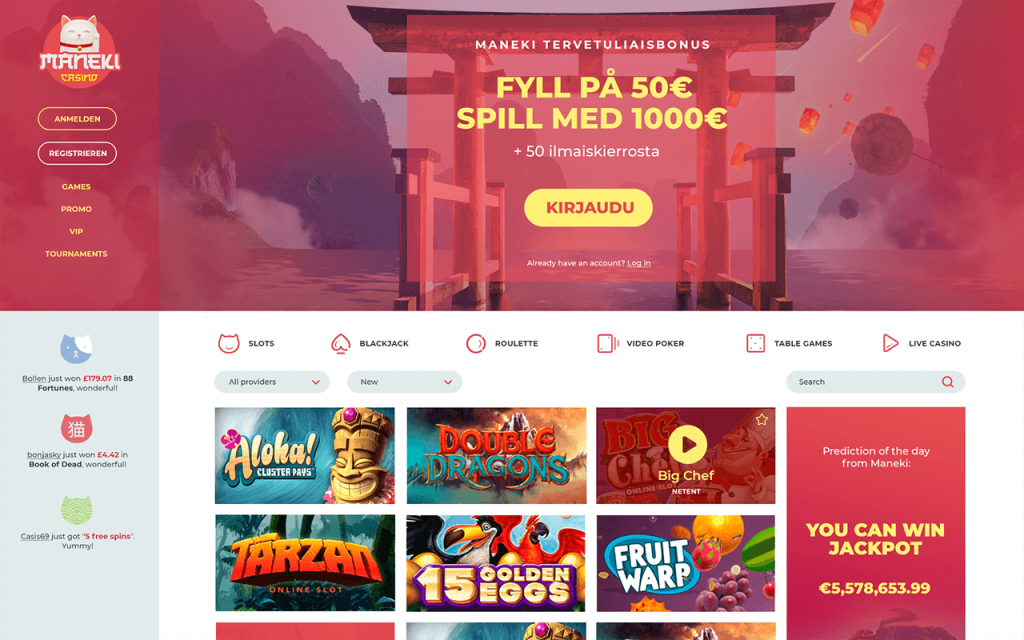
I consider the loyalty shop not as a fanciful catalog but as a practical transfer system where I convert accumulated comp points into the type of value that best suits my current strategy. The mistake I see constantly is players exchanging points immediately at the minimum threshold, exchanging them for a tiny amount of bonus cash that evaporates in a single bet. I let my balance accumulate until I can access mid-tier or high-tier redemption options, which almost universally offer a better conversion rate per point. For example, a small one-hundred-point package might convert at one euro per twenty points, while a five-hundred-point package might convert at one euro per fifteen points, representing a meaningful efficiency gain. This tiered exchange structure compensates patience, and I treat my accumulating point balance the same way a smart consumer treats a bulk-buy discount on a household staple.
Scheduling Redemptions Around Wagering Downtime
I have optimized my redemption timing to correspond with periods when my wagering activity is naturally lower, using the converted bonuses to bridge the gap without tapping my bank account. If I know I will have a quiet week, I hold my points during busy months and redeem them in bulk when I have the free time to properly maximize the playthrough conditions. I also maintain a close eye on the loyalty shop for limited-time items offering bonus cash with a zero-times wagering requirement, which occasionally show up as tier-specific https://www.reddit.com/r/explainlikeimfive/comments/38iwr3/eli5_how_do_betting_odds_work/ flash deals. These are the holy grail because they remove the risk of losing the bonus during playthrough. I have trained myself to log in on weekday mornings specifically to scan for these deals, as they tend to show up without push notifications and fade within hours. Managing my points balance with the same care I would give a savings account that occasionally presents a deposit match with no strings attached has consistently improved my net return.
Keeping Discipline While the Rewards Seem Personal
The final frontier of loyalty mastery is the emotional management necessary when a casino gives you a personal account manager. A dedicated host can provide genuinely considerate service, custom bonuses, expedited withdrawals, and zero-playthrough gifts, but that emotional warmth can subtly prompt me toward depositing more than my spreadsheet enables. I appreciate the human touch without letting it bypass my financial logic. I accept negotiated bonuses and factor them into my overall value calculation, but I keep a firm rule: I never act to a “time-sensitive” exclusive offer by depositing funds not already allocated in my monthly gaming budget. I also employ this disciplined lens to loyalty gamification—progress bars, daily missions, and pop-up challenges crafted to create momentum. I tell myself that missing a daily mission does not represent a real loss, only a missed marginal gain, and sometimes that trade-off preserves my autonomy. In the Dutch market, I employ responsible gambling tools like deposit limits and reality checks in tandem with my loyalty strategy. I never override a loss limit to chase a reward, because sacrificing regulatory safety nets for points accumulation is the ultimate don’t.
I have come to see casino loyalty rewards as a double-edged instrument that can improve your edge or weaken your judgment, depending entirely on the rigor of your approach. The core principles I come back to are simple: always understand the precise mathematical value of your tier, never endorse a behavioral change your spreadsheet cannot explain, and treat cashback and point conversions as dynamic assets rather than passive gifts. Platforms like Maneki Casino have built sophisticated ecosystems that compensate those who interact with clarity and penalize those who move on autopilot. By anchoring every decision in the concrete terms rather than decorative marketing, you position the loyalty program as a complementary tool to your gaming, not a labyrinth that slowly takes more than it returns. The Dutch market continues to develop, and as transparency norms grow, the informed player who studies, calculates, and executes with discipline will always maintain the advantage.

Comments are closed.